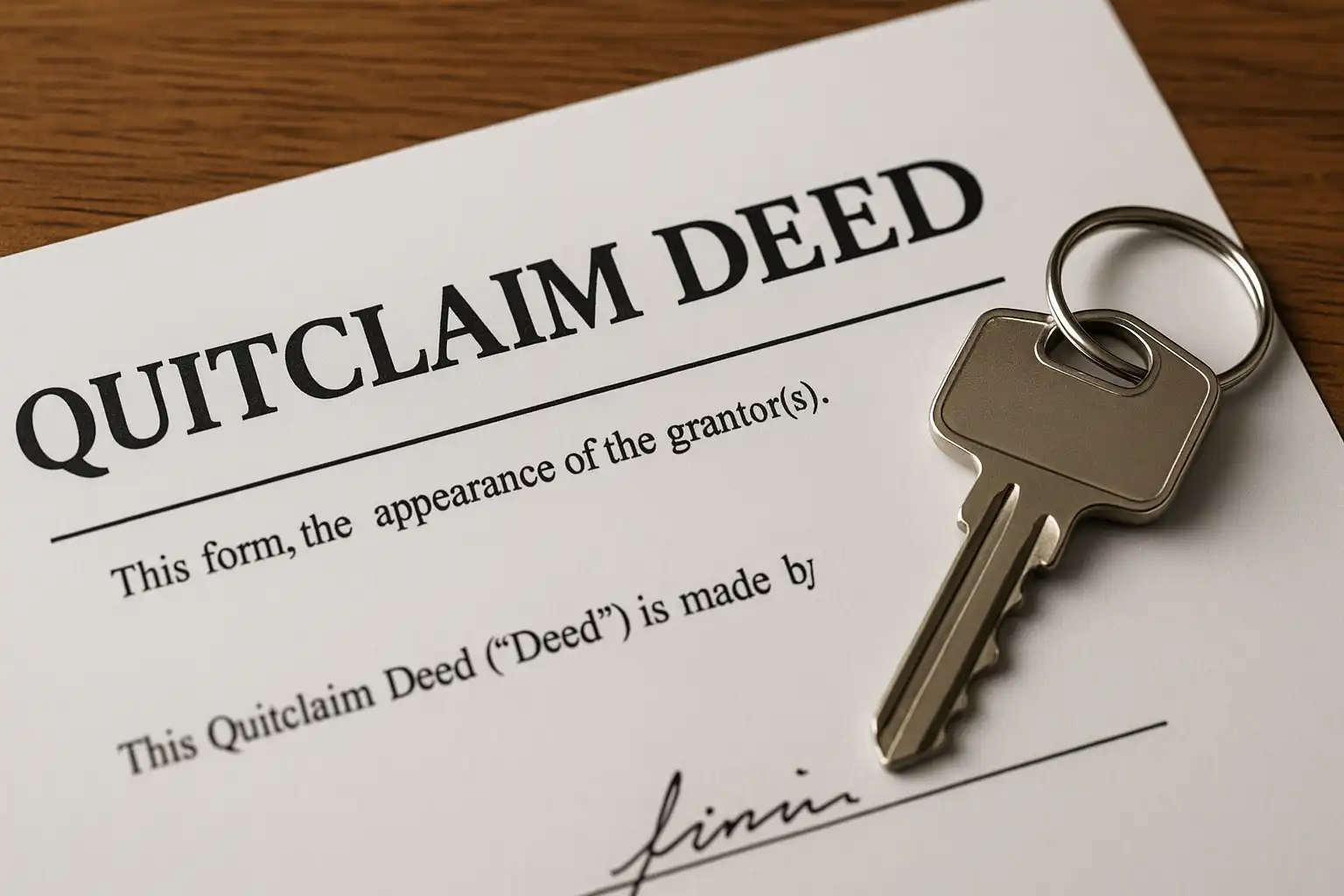
Washington State requires quitclaim deeds to include specific language (“conveys and quitclaims”), proper formatting with 3-inch top margins, notarized signatures, and Real Estate Excise Tax (REET) affidavits. Community property laws require spousal consent, and recording fees exceed $300 in most counties. Many transfers qualify for tax exemptions, making quitclaim deeds ideal for family transfers and divorce proceedings.
Illinois’s dynamic real estate market, anchored by Chicago’s influential property sector and serving over 12.6 million residents as the sixth-largest state by population, requires comprehensive understanding of property transfer procedures that balance traditional recording practices with modern market demands. From the urban complexities of Cook County to the agricultural regions of central Illinois, the state processes thousands of quitclaim deed transactions monthly across its 102 counties.
The Prairie State’s legal framework operates under the Illinois Compiled Statutes, particularly the Conveyances Act and various recording statutes that govern property transfers throughout the state. Illinois maintains a race-notice recording system where the first party to record without notice of prior claims typically prevails, creating a competitive environment that rewards prompt and accurate recording procedures.
Illinois property law features distinctive characteristics including homestead exemption protections, comprehensive transfer tax structures that vary significantly by municipality, and specific acknowledgment requirements that reflect the state’s commitment to preventing fraud while facilitating efficient commerce. Whether managing family transfers, divorce settlements, estate planning implementation, or commercial transactions, Illinois quitclaim deeds must navigate detailed statutory requirements and diverse local recording procedures.
The state operates through elected County Recorders in each county, with Cook County maintaining the most sophisticated and high-volume recording operation in the Midwest. This system, combined with Illinois’s municipal home rule powers and varying transfer tax obligations, creates a regulatory landscape where understanding both state law and local market practices proves essential for successful property transfers.
Understanding the tax implications of quitclaim deed transfers is crucial for property owners considering any form of ownership change. Whether you’re adding a spouse to your title, transferring property to children, or restructuring ownership for business purposes, quitclaim deeds can trigger significant federal and state tax consequences that require careful planning and professional guidance.
When transferring real estate, property owners often overlook special warranty deeds as a middle-ground option between the minimal protection of quitclaim deeds and the comprehensive coverage of general warranty deeds. Understanding the distinctions between special warranty deeds and quitclaim deeds is crucial for making informed decisions about property transfers, risk management, and long-term protection strategies.
When transferring real estate in western states, property owners often face a crucial decision between using a quitclaim deed or a grant deed. While both accomplish property transfers, they offer dramatically different levels of legal protection and serve distinct purposes. This comprehensive analysis examines the key differences, legal implications, and strategic considerations to help you choose the right deed type for your specific situation.
Removing someone from a property deed is a complex legal process that requires careful consideration of ownership rights, legal procedures, and potential consequences. Whether you’re dealing with divorce, death, estrangement, or other circumstances, this comprehensive guide provides the legal framework and practical steps necessary to properly remove a person from property ownership.
Recording a quitclaim deed is the final—and arguably most important—step in transferring property ownership. Without proper recording, your deed transfer may not be legally recognized, leaving you vulnerable to ownership disputes and title complications. This comprehensive guide walks you through the recording process across all 50 states, ensuring your property transfer is completed correctly and legally.
Property ownership involves complex legal concepts that many property owners don’t fully understand until problems arise. As a real estate attorney, I regularly help clients navigate confusion about property title, ownership rights, and the various ways people can hold title to real estate.
Understanding these fundamental concepts is essential for making informed decisions about property transfers, whether you’re considering quitclaim deeds, warranty deeds, or other transfer methods. This comprehensive guide explains property title basics, different types of ownership, and the rights that come with property ownership.
Understanding what quitclaim deeds don’t provide is often more important than understanding what they do. As a real estate attorney, I regularly encounter clients who made costly mistakes because they didn’t fully understand quitclaim deed limitations before accepting these transfers.
Unlike warranty deeds that provide comprehensive protections, quitclaim deeds offer minimal legal safeguards and leave grantees vulnerable to numerous risks. This comprehensive guide examines the critical limitations of quitclaim deeds and helps you understand when these transfers may not provide adequate protection for your interests.